The Offer Letter That Made Me Count My Tuesdays
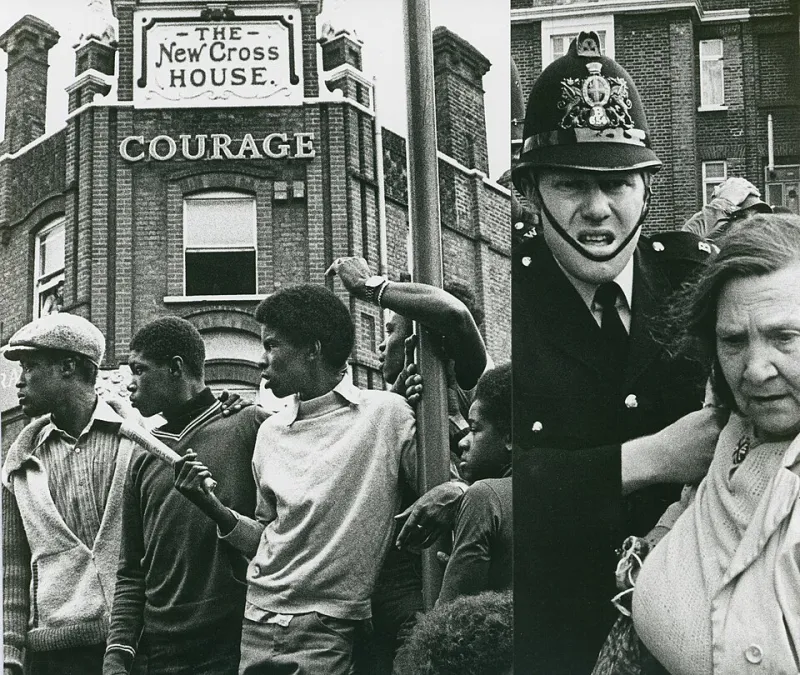
Photo: Frank Duffin of Belfast, Northern Ireland. Borne 1944 Ballymena, N. Ireland. Deceased 2015 Marseillan, France. A freelance photographer in London & Dublin he spent his latter working years as a lecturer in photography and media at the Dublin Instit
The email arrived on a Tuesday afternoon, which feels too on-the-nose to be true, but I've learned the universe has a flair for the dramatic. A recruiter from one of those companies everyone names when they talk about 'the dream'—you know the one, the logo that shows up on half the LinkedIn banners in your feed—wanted to talk about a senior creative role. Six figures. Signing bonus. Free lunch, apparently legendary.
I called my mom. I called my best friend from college. I opened a spreadsheet I titled 'grown up decisions' and then stared at it for two weeks.
Here's what nobody tells you about dream offers: they don't ask what your dreams are. They just assume the logo is enough.
The Math I Wasn't Supposed to Do
The recruiter walked me through compensation, and I'll be honest—my jaw dropped a little. This was roughly double what I make in a good year of freelancing and client work. I did the responsible thing and calculated what that money meant annually: new laptop without wincing, a real emergency fund, maybe a down payment on a condo in a city where down payments are a cruel joke.
Then I did the irresponsible thing. I calculated my Tuesdays.
Every Tuesday for the past three years, I've driven my niece to swim practice and stayed to watch. It's not productive. There's no ROI. But she's eight, and eight doesn't wait, and I kept thinking about how a hybrid role with a 45-minute commute each way would turn Tuesdays into a logistics problem. Someone else would take her. Someone else would see her splash.
That sounds small. It is not small. The things that are actually small are the things we sacrifice without counting.
What Prestige Charges in Hidden Fees
I started listing what the job would really cost, beyond the commute:
- Creative range. Big companies hire you for a lane and keep you in it. My last three months of work included brand strategy, a mural commission, and a zine about my grandmother's recipes. What lane does that fit in?
- Calendar sovereignty. My current average workday has maybe two meetings. The typical creative role at a company that size? I asked around. Four to six. My best ideas come in the gaps between meetings, and the gaps were about to get paved over.
- The atrophy tax. A designer I admire took a similar role and told me, over tacos, that it took her eighteen months to remember she had opinions. Eighteen months. Your taste doesn't disappear in a corporate system—it just goes quiet, and quiet is how you lose it.
None of this makes the job bad. For plenty of people, that trade is genuinely worth it—the mentorship, the scale, the stability. I want to be clear that this isn't a sermon against big companies. It's a confession that I almost said yes for reasons that had nothing to do with the actual job.
I wanted the word 'yes' to come out of my mouth at parties. I wanted my LinkedIn to look finished. I wanted strangers' moms to stop asking when I'd get a real job.
The Audit That Saved Me
Once I stopped spiraling, I built a simple exercise, and I've since run three friends through it. Take one hour and answer four questions in writing:
1. What does an average good Tuesday look like right now? Not your best day—a normal, unremarkable one. Write down what you'd be sad to lose.
2. What are you actually optimizing for this decade? Not forever. This decade. Money, autonomy, craft, time, impact—rank them. Be honest about which one is first and which one you just tell people is first.
3. What would you do with the extra money that you can't do now? If the answer is concrete—pay off debt, fund a move, breathe easier—weight that heavily. If the answer is vague status stuff, notice that.
4. Which parts of your current work would the new role delete? List the projects, the rhythms, the people. Then imagine them gone. Not in a dramatic way—in a Tuesday-afternoon way.
When I finished, my spreadsheet told one story and the audit told another. The spreadsheet said rich. The audit said: you'd be trading the actual texture of your life for a logo, and logos don't come to swim practice.
The Counteroffer I Made to Myself
I declined—politely, gratefully, with a note that left the door cracked open, because you never know. Then I did something that felt strange: I gave myself the raise anyway, in a different currency. I raised my project rates. I blocked off Tuesdays in my calendar like a client meeting that can't be moved. I started putting the difference between my old rates and my new ones into an actual savings account, so the financial argument had a fighting chance over time.
Am I 'making it'? Depends who you ask. By the metrics of the industry, I turned down the finish line. By my own audit, I protected the only part of the race I actually care about.
Your offer letter, whenever it comes, will be very good at telling you what you'd gain. It will be silent about what you'd hand over. Do the math on both. Count your Tuesdays—whatever your Tuesdays are. Then decide.