My Brain Runs on a 15-Minute Sunday Ritual (And It Costs $0)

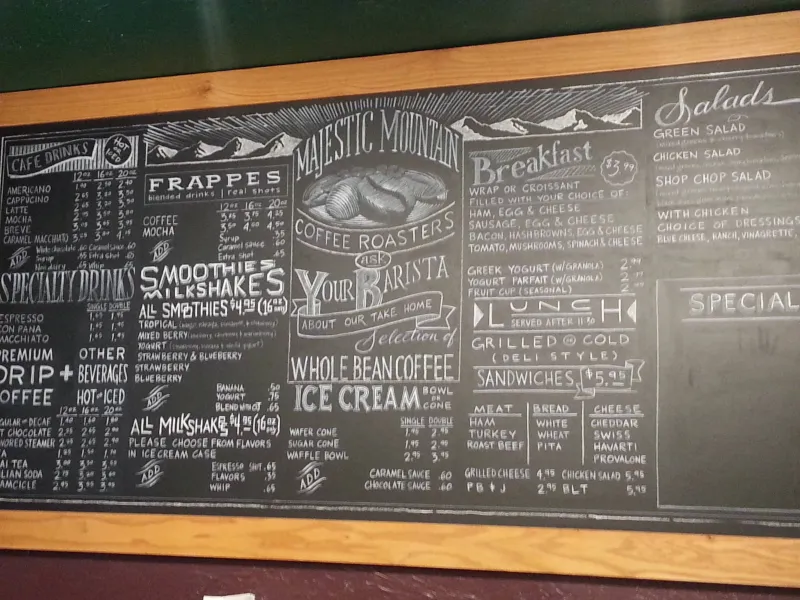
Photo: Onwuka Glory, CC0, via Wikimedia Commons
Every few months, the internet decides that the only way to stay creative is to buy something. A course. A retreat in Sedona. An app subscription with a serif font so nice you almost forget it's $14 a month. I've tried a respectable number of these, and I have a confession: the thing that actually keeps my creative brain alive costs nothing and takes fifteen minutes a week.
I call it the Sunday Scavenger Hunt. It's unglamorous, slightly nerdy, and it has outlasted every productivity system I've ever abandoned by February.
The Rules (There Are Barely Any)
Once a week — Sunday evening, usually, with leftover pizza — I set a timer for fifteen minutes and hunt for one thing: something made by a human that surprised me.
That's it. That's the whole assignment. It could be:
- A diner menu with genuinely funny copy
- A stranger's tattoo design spotted at the grocery store
- A local theater poster stapled to a telephone pole
- A packaging choice at Trader Joe's that made me stop mid-aisle
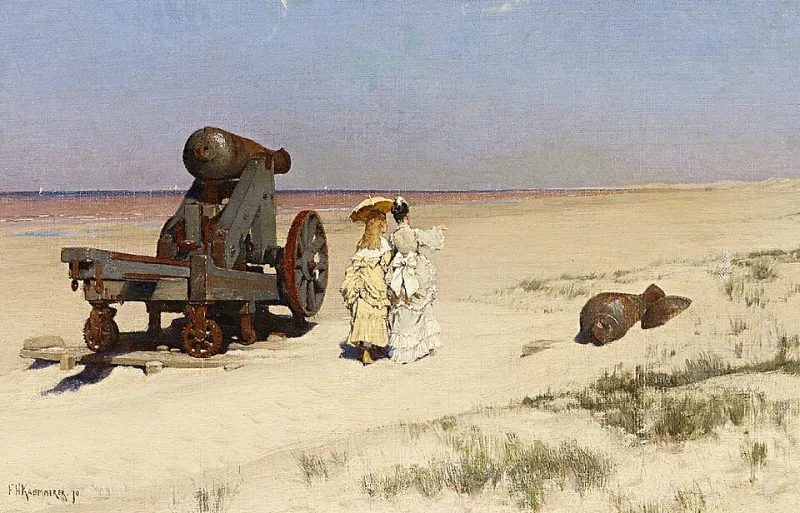
- A kids' book illustration at the library that broke a "rule" beautifully
I capture it — photo, note in my phone, napkin sketch, whatever's easiest — and write one sentence about why it caught me. Then the timer goes off and I go back to my life.
Why This Works When Challenges Don't
Here's my theory: most creative fuel advice fails because it demands too much and delivers too little connection. A 30-day challenge assumes you have an hour a day and infinite willpower. A retreat gives you a beautiful jolt and then drops you back into a life with no system for catching the small stuff.
The scavenger hunt works because of three things it gets right:
1. It's small enough to survive bad weeks. Fifteen minutes fits inside a deadline crunch. Habits that require good weeks die during bad ones.
2. It trains your attention, not your output. You're not making anything. You're practicing noticing, which is the actual raw material of creative work. Output comes later; input comes first.
3. It's friction-free. No supplies, no subscription, no drive to a workshop. The barrier to entry is so low that skipping feels sillier than doing.
What Accumulates (This Is the Good Part)
The magic isn't in any single hunt. It's in the pile.
After a few months, you've got a personal archive of oddities and delights that no algorithm could have curated for you. When a project goes sideways and the ideas won't come, I flip through my notes instead of scrolling a mood board for the fourth time. Because everything in there has a sentence attached — a reason I cared — the references come loaded with feeling. They're not generic. They're mine.
It's also quietly made my taste sharper. When you spend a year asking "why did this stop me?" on a weekly basis, you start noticing patterns in your own attention. Turns out I'm a sucker for confident typography and copy that talks like a real person. Good to know. Useful, even.
Steal This and Bend It
Adapt it to your own flavor. A few variations I've seen work for friends:
- The sound version: one surprising piece of audio a week — a podcast moment, a song transition, a street musician.
- The maker's version: one object in your home and a guess at how it was made.
- The conversation version: one thing a non-creative friend said that accidentally contained a whole idea.
The format matters less than the contract with yourself: small, weekly, curious, no output required.
You don't need a retreat. You need fifteen minutes, a timer, and permission to care about a menu. Your future projects will eat better because of it — and your wallet won't notice a thing.