Fourteen Drafts, One Page: How My About Page Finally Stopped Sabotaging Me
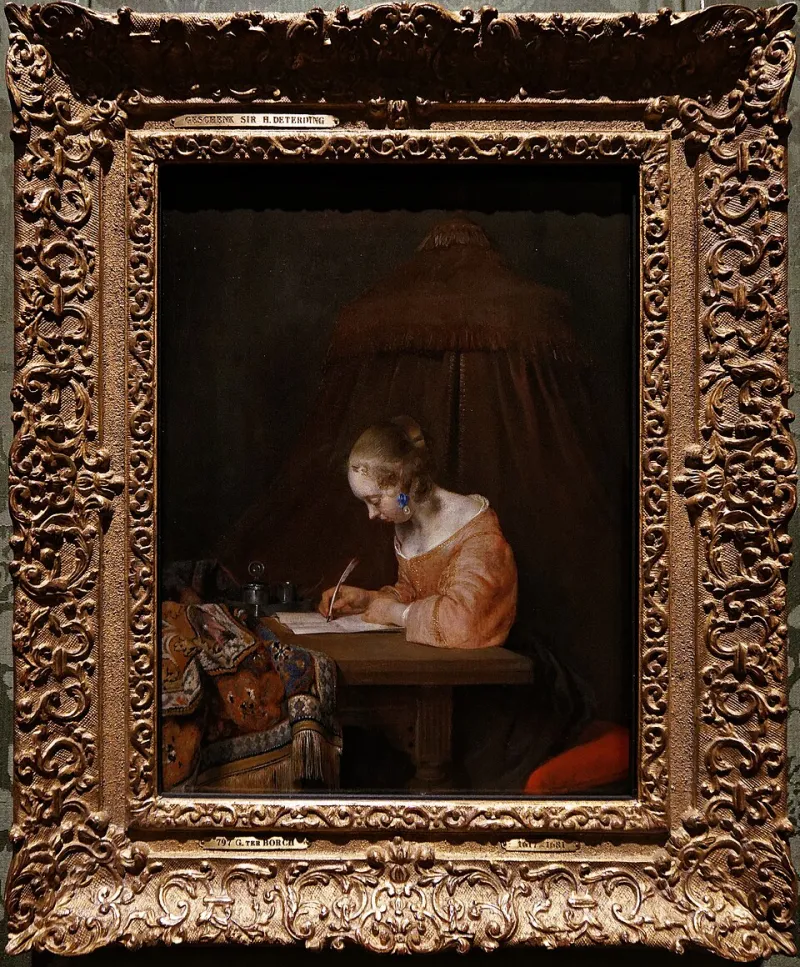
Photo: Txllxt TxllxT, CC BY-SA 4.0, via Wikimedia Commons
Somewhere in my Google Drive, there's a folder called "About Page FINAL" that contains fourteen documents. About Page FINAL. About Page FINAL v2. About Page FINAL actually final. You get the picture.
For most of last year, that page was my most-visited and least-converted piece of writing. People found my portfolio, clicked About, and then... didn't email me. I know because I could see the drop-off in my analytics like a slow-motion car crash.
The Drafts Were Telling On Me
When I finally sat down and read all fourteen versions back to back, a pattern emerged that I did not enjoy witnessing.
Draft one through five were what I now call the Résumé Ghost phase. They read like a LinkedIn summary that wandered off LinkedIn:
"Richa Kapoor is a multidisciplinary creative specializing in brand systems, visual storytelling, and cross-functional collaboration. With a passion for human-centered design..."
Nobody talks like this. Nobody has ever read this and thought, she sounds like someone I'd trust with $15,000. They think, she sounds like every other About page I closed forty seconds ago.
Drafts six through nine swung the opposite direction—so much personality that I buried the actual information. One version opened with a story about a bad roommate in Chicago. It was a great story! It had nothing to do with why a marketing director in Denver would hire me.
Drafts ten through thirteen were my perfectionist era. I hired a copy friend to review one. I read a book about voice. I A/B tested a headline. The page got technically better and somehow still didn't book a single project.
The Moment It Clicked
The breakthrough came from the least likely source: my dentist. I was in the chair, and she was explaining why she doesn't list her credentials on her website's homepage. "People who've already decided to trust me don't need convincing," she said. "The people who need convincing need to feel like I'll be honest with them."
My About page was all convincing. Credentials, process diagrams, a paragraph about my "philosophy." Zero honesty. Zero me.
Draft fourteen took me twenty minutes. It's three sentences long. Here's the actual text:
"I'm Richa. I design brands for small teams that are too busy running the business to make it look as good as it is. I've done this for seven years, mostly with founders in food, retail, and wellness. If that sounds like your situation, the rest of this site will tell you whether we'd work well together."
That's it. That's the page.
Why Short Worked When Long Didn't
Here's my theory, backed by exactly one year of data and zero peer review: a jargon-heavy bio doesn't fail because it's boring. It fails because it signals effort-matching. When a client reads "cross-functional collaboration" and "human-centered design," they don't hear expertise—they hear this person is going to send me decks.
Plain language does the opposite. It says, I have nothing to hide and nothing to prove. It also happens to be the same voice I use in actual client calls, which means the About page and the real experience of working with me finally match. Clients hire the voice, not the vocabulary.
The numbers backed it up. In the three months after publishing the short version, my inquiry rate from the About page tripled. Same portfolio. Same rates. Different words.
The Template, If You Want to Steal It
Every creative I've shared this with has adapted it slightly, but the bones hold:
- Sentence one: Who you are and who you help, in words a stranger would use.
- Sentence two: Your proof—years, industries, or a single specific credential. One, not five.
- Sentence three: A handoff. Tell them what to do next or what the rest of the site will show them.
The handoff is the part everyone skips, and it's the part that matters most. An About page isn't a biography. It's a doorway. If you don't point people through it, they stand in the frame, shrug, and leave.
What Fourteen Drafts Actually Taught Me
The real lesson wasn't about word count. Each revision was me negotiating with an imaginary audience—recruiters who weren't hiring, peers I wanted to impress, a version of myself from 2019 who thought "multidisciplinary" was a personality.
The draft that worked was the first one I wrote for the person who actually visits the page: a busy founder with a tab open, deciding in ninety seconds whether I'm worth an email. Write for her. Cut everything written for anyone else.
The folder of fourteen drafts is still in my Drive. I keep it as a monument to the year I made my About page about everyone except the About.
If you're rewriting yours this week: read it out loud. If you wouldn't say a sentence to a client on a call, it doesn't belong on the page.