Ninety Days Offline: What Happened When I Ghosted the Networking Platform Everyone Told Me to Love
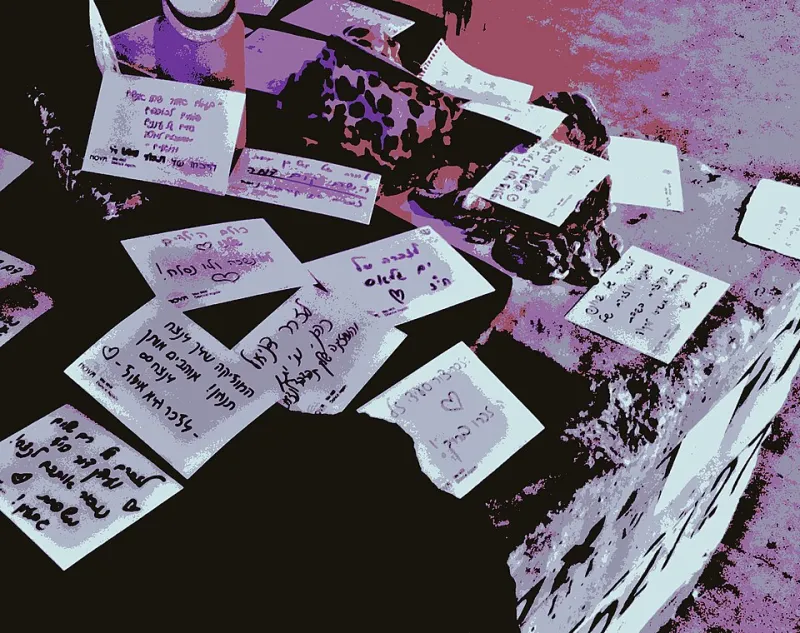
Photo: Chenspec, CC BY-SA 4.0, via Wikimedia Commons
Here's the confession that got me a few raised eyebrows at a design meetup in Chicago last fall: I deleted LinkedIn off my phone for 90 days. Not muted. Not "notifications off." Gone.
The reaction was immediate and predictable. "You can't do that in this market." "Recruiters live there." "How will anyone find you?"
Fair questions. I had them too. But after four years of daily posting, comment-thread networking, and refreshing my "profile views" like a slot machine, I'd started to notice something uncomfortable: every creative I saw online looked exactly like me. Same headline structure. Same humblebrag posts about "excited to share." Same engagement-bait carousels. We had all optimized ourselves into identical robots.
So I ran an experiment. Here's what actually happened.
Week One: The Withdrawal Was Real
Let's not romanticize this. The first two weeks were genuinely weird. My thumb kept reaching for the spot where the app used to be, the way you check a pocket for keys you've left on the counter.
The fear was specific: I was certain I'd miss The Opportunity. You know the one — the recruiter DM, the dream role posted at 7:42 AM, the connection request from someone who "wants to pick your brain." I'd built my entire professional anxiety around being responsive on that platform.
Turns out, in 90 days, exactly zero opportunities arrived through LinkedIn that couldn't have arrived another way. More on that in a second.
What I Did With All That Time
I did the math: my average daily LinkedIn time was about 35 minutes. Over 90 days, that's roughly 50 hours. Fifty hours of my life, previously spent scrolling job postings I wasn't going to apply to and liking posts from people I'd never met.
Here's where those hours went instead:
Twelve handwritten notes. Actual paper, actual stamps, sent to people whose work I genuinely admired — a lettering artist in Portland, an editorial illustrator in Brooklyn, a creative director in Austin whose talk I'd watched online. Four of them wrote back. Two of those became real relationships. One became a client.
Nine coffee chats. Not "networking meetings" with agendas — actual coffees with people I'd been meaning to meet for years but never prioritized because I'd convinced myself the algorithm was doing the work for me. It wasn't.
Twenty-plus hours on my own site. I rewrote my portfolio in my actual voice — the one I use at dinner parties, not the one I use in cover letters. I killed the corporate bio. I added a page explaining how I work and what I'm difficult about. It reads like a person wrote it, because a person did.
The Gig That Proved the Point
Month three. A creative director I'd sent a handwritten note to in week two forwarded my portfolio to a friend who was building a brand team at a mid-size company outside Denver. No job posting existed. No recruiter. No applicant tracking system swallowing my resume into the void.
She told me later why she'd forwarded it: "Your site didn't sound like everyone else's. I could tell an actual human made it."
That project became the best-paying, most enjoyable gig of my career to date. And it started with a $0.65 stamp.
The Uncomfortable Takeaway
I'm not going to tell you to delete LinkedIn. That's not the point, and honestly, I'm back on the platform now — posting occasionally, keeping my profile accurate, treating it like a business card rather than a second home.
The point is this: when every creative professional is broadcasting from the same channel using the same frequency, the signal becomes noise. In a market saturated with identical portfolios and interchangeable "passionate storytellers," the scarce resource isn't visibility. It's memorability.
Being findable in fewer places beats being forgettable everywhere.
The people I met for coffee remembered me because I was the only person who'd asked about their work without wanting something. The creative director remembered my note because nobody sends those anymore. My site stood out because it sounded like me instead of like a LinkedIn headline generator.
Try Your Own Version
If you want to run a smaller-scale version of this experiment, here's my honest starter kit:
- Set a timer for your daily scroll time and cap it at 10 minutes. Bank the rest.
- Send one handwritten note a week. Keep it short. No ask, no pitch.
- Reread your portfolio out loud. If it sounds like a job description, rewrite it.
- Have one coffee a month with someone whose work you actually like.
None of this is revolutionary. That's the whole point. The revolution isn't a growth hack — it's deciding that your career is built out of relationships with humans, not impressions from strangers.
Ninety days taught me that the best opportunities were never hiding in my notifications. They were hiding in the gaps between the people I admired and me actually reaching out.
Turns out the algorithm was never the shortcut. It was the long way around.