One Reply From a Client Rewired Everything I Thought About Money
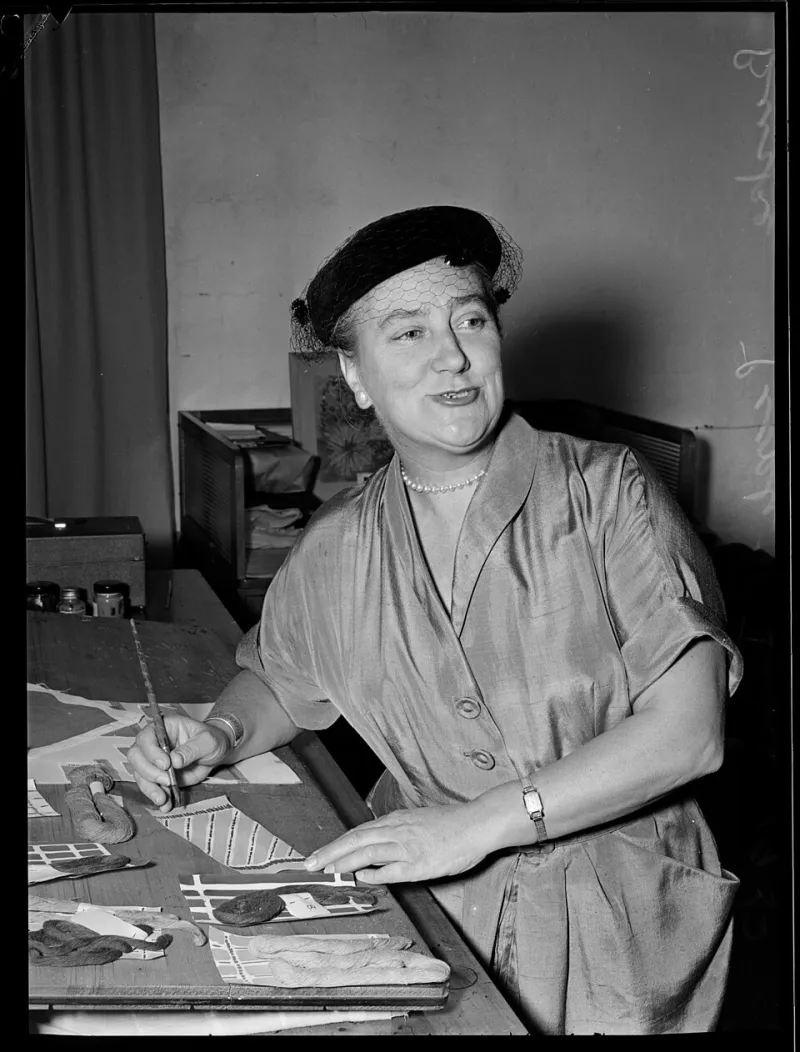
Photo: Gordon F. De Lisle, Public domain, via Wikimedia Commons
Two years ago, I sent off a quote for a brand identity project and got back the most polite gut-punch of my career.
The client — a founder of a growing DTC coffee company here in Austin — replied in under an hour. No anger. No ghosting. Just one line sitting at the bottom of an otherwise friendly email:
"Can you walk me through this number?"
I stared at it for a long time. Because the honest answer was: not really. The number was based on what I'd charged the last time, plus a bit of a bump because I was busy. That's it. That was the entire methodology.
The number existed before the reasoning did
Here's the uncomfortable truth about how a lot of us creative folks price: we work backward from our own anxiety. We pick a figure that feels survivable, then retrofit a justification. Hours get counted. "Scope" gets described. But the actual value — what the work does for the client's business — never enters the conversation.
That email forced me to admit that if I couldn't explain my price to myself, I had no business expecting a client to accept it.
So I wrote back something honest: "Great question — let me put together a proper breakdown rather than answer off the cuff." Then I spent an embarrassing amount of time building a one-page document that explained what the rebrand was for: their wholesale pitch decks, their retail shelf presence, the fact that their packaging looked like every other small-batch roaster in Texas.
They accepted the quote. No negotiation. The number hadn't changed — the story around it had.
Pricing is a narrative problem, not a math problem
I've thought about that exchange constantly since, and I've landed on this: clients don't actually doubt your price. They doubt whether you understand what you're selling.
When I quote a project now, the conversation happens long before any number shows up. A few things I do differently:
I ask about outcomes, not deliverables. "What happens if this launch goes well?" gets better answers than "How many pages do you need?" A client who tells you they're trying to close a Series A next quarter has just handed you your pricing anchor.
I put the 'why' in writing before the 'how much.' Every proposal now opens with what I heard, what I'm solving for, and what success looks like. The number arrives in section three, already framed.
I offer a range with a recommendation. Instead of one scary figure, I present two or three tiers and say plainly which one I'd pick and why. It turns a negotiation into a conversation.
I name the thing I'm NOT doing. Half the pushback I used to get came from fuzzy scope. Now I list exclusions as carefully as inclusions. Clarity reads as confidence.
The psychological trap worth naming
There's a specific flavor of impostor syndrome that shows up in pricing. You look at what your peers charge, you look at your own bank account, and you split the difference in your favor — downward. I've watched talented friends in New York and Chicago undercharge by 40% for years because some early client once said "that's a lot for a logo."
One comment. One data point. Decades of discount.
What that coffee founder's email actually gave me was permission to treat pricing as a skill — something you practice and refine — rather than a personality test. Some clients will still say the number's too high. That's fine. A "no" from a misaligned client costs you nothing. A "yes" from the wrong one costs you months.
What I'd tell my younger self
If I could go back to that morning, staring at the words "walk me through this number," I'd say: this is the best thing that could've happened to you.
Because the alternative was worse — sending confident-looking invoices for work I couldn't justify, quietly resenting clients who haggled, and blaming the market for what was really a communication gap.
Price the outcome. Explain the reasoning. Put it in writing before anyone asks. And when someone does ask you to walk them through your number, treat it as an invitation, not an attack.
Mine changed my whole career. Yours might too.