I Raided a Novelist's Toolbox and My Design Work Got Sharper
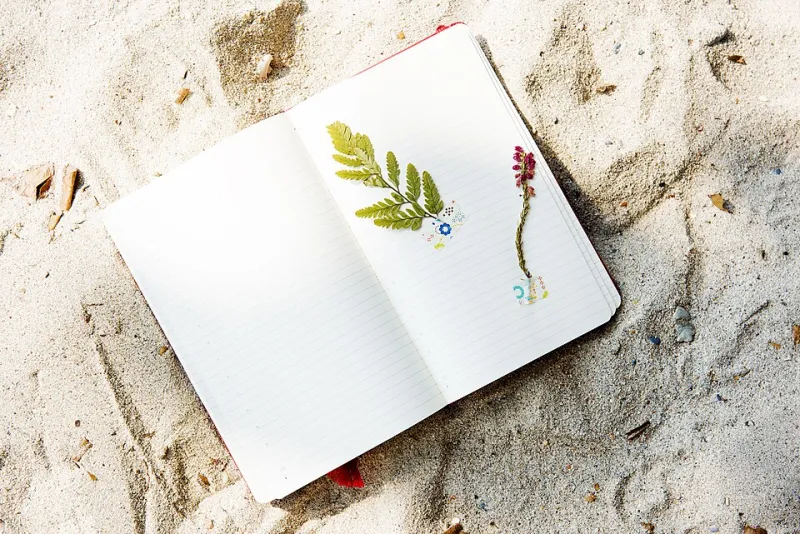
Photo: rawpixel.com rawpixel, CC0, via Wikimedia Commons
I spent last year in a writing group with a bunch of fiction folks — mostly to get better at the essays I post here — and somewhere around month three, I realized I was stealing from them constantly. Not their ideas. Their habits.
It shouldn't have surprised me. Design and writing are the same discipline wearing different clothes: you're arranging elements so someone else understands something fast. But writers have been systematizing their craft for centuries, and honestly? Some of their tricks translate to design almost embarrassingly well.
Here are seven I've made permanent.
1. Outline before you draft
Novelists don't start at page one and hope. They build the skeleton first.
I now do this with every layout. Before opening Figma, I write the page as plain text: headline, subhead, the one action I want a visitor to take. For a recent nonprofit site redesign, the entire homepage structure fit in nine bullet points — and the design took half the usual time because I wasn't using art direction to figure out what I wanted to say.
2. Write the ending first
Writers often draft their final scene early so they know where the story lands. Design's equivalent: design the conversion moment before the hero section.
On an e-commerce project, I built the checkout confirmation screen first. It sounds backwards, but once I knew exactly what success looked and felt like, every upstream decision got easier and the whole flow got shorter.
3. Edit in a separate session from writing
This one changed my life. Writers know you can't create and judge at the same time — the two modes poison each other.
Now I refuse to polish anything on the day I make it. First drafts of layouts get built messy and fast. The critique happens the next morning, with coffee, fresh eyes. My revision rounds dropped from five to two almost immediately.
4. Kill your darlings
Faulkner's advice applies to that clever animation you love but the user doesn't need. On a fintech dashboard project, I cut an onboarding illustration I'd spent two days on. Users completed setup 30% faster without it. The illustration was good. It was also noise.
5. Read your work out loud
Writers catch clunky rhythm by ear. Designers can do the same by narrating their interface: "Tap the menu, then scroll down, then find the small gray button..."
If you run out of breath or stumble over a step, that's your friction point. I found three confusing moments in a booking flow this way in about ten minutes.
6. One idea per paragraph — one idea per screen
Writers cramming three thoughts into a paragraph lose the reader. Same rule applies to screens, slides, and sections. If a landing page section needs a second look to understand, it's doing too much. Split it or cut it.
7. Keep a commonplace book
Many writers keep notebooks of overheard phrases and striking images. Mine is a swipe file — but of sentences, not designs. Great headlines, sharp product copy, a hotel's cancellation email that made me almost happy to cancel. Language shapes how I think about hierarchy and tone more than any design gallery ever has.
Stealing is the skill
Here's the meta-lesson: the most underrated move in a creative career isn't grinding harder in your lane. It's raiding adjacent lanes.
Photographers steal from cinematographers. Copywriters steal from comedians. And designers, apparently, steal from novelists — at least this one does. The disciplines that look most different from yours usually have the most to teach you, precisely because they arrived at the same problems from another direction.
So borrow shamelessly. Just credit the habit, if not the heist.